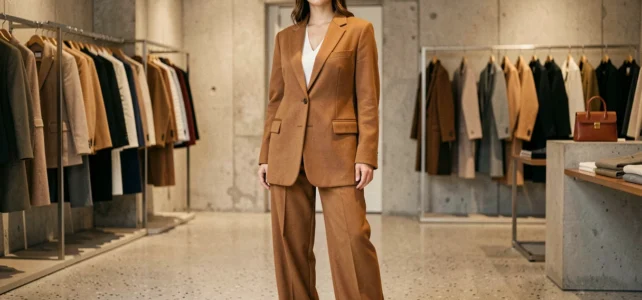
The autumn-winter 2026-2027 fashion trends are set against a backdrop where stylistic directions intersect with a rapidly changing European and French regulatory framework. Deep colors, structured materials, and a return of leather and velvet: the choices of this season are now made under the gaze of new obligations related to environmental transparency and unsold goods management.
Textile environmental labeling: what changes in October 2026
The fashion trends of the season benefit from being viewed through a prism that magazines rarely address: that of regulation. Since October 2026, textile environmental labeling enters a binding phase in France. A third party can now publish a brand’s environmental score without its consent if the brand has not done so itself.
Any company that already communicates on another environmental indicator must also display the official environmental cost. This tightening changes how brands present their collections, including the trendy pieces of the season.
For consumers, this means a gradual access to comparable data from one brand to another. Buying a blended wool cape or leather pants will no longer be based solely on aesthetic criteria: the displayed environmental score could influence choices, especially for those looking to learn everything about Maison de Mode and its selections of current pieces.
Reactions from the industry remain mixed. Some brands anticipate a decline in interest for energy-intensive materials, while others believe that the end consumer will not change their habits in the short term.
Autumn-winter 2026 fashion trends: the materials that structure the season
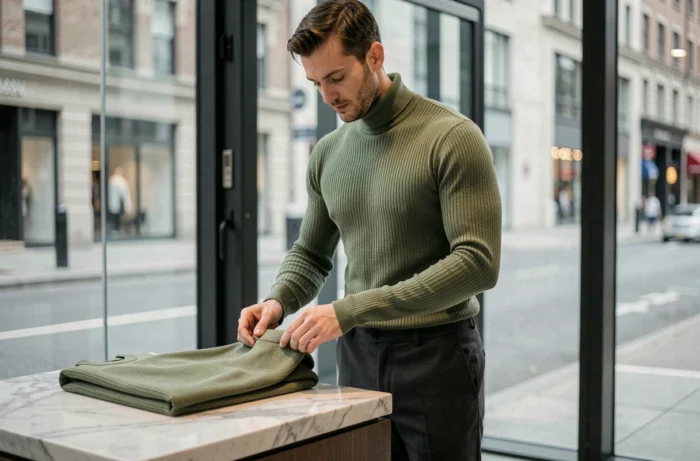
The autumn-winter 2026-2027 fashion shows have confirmed several strong directions. Velvet, leather, and thick textures dominate the silhouettes. Three materials and cuts deserve particular attention this season.
- Deep velvet, featured in dresses, blazers, and wide pants, returns in shades of burgundy, forest green, and black. Its production remains water and dye-intensive, which could raise questions with the new environmental labeling.
- Leather in all its forms (structured jackets, mid-length skirts, oversized accessories) remains omnipresent on the runways. The distinction between animal leather and synthetic alternatives is gaining visibility, particularly because environmental scores differ based on the material’s origin.
- High collars and fitted silhouettes recall the tailoring of the 1990s, with a marked return of tapered pants and body-hugging cuts paired with long jackets or capes.
These stylistic directions are not disconnected from the economic context. The return of durable and structured pieces (long coats, thick leather jackets) also reflects a logic of investment in clothing, where cost per use is as important as trend.
Colors of the season: red and earthy tones
Red, in all its variations, stands out as the key color of this season. From vermilion reds to more muted shades, this hue crosses categories (dresses, accessories, makeup). Earthy colors (camel, khaki, chocolate brown) complete the palette and offer a versatile style base.
The issue of dyeing is not trivial: the dyes used to achieve bright reds are among the most polluting in the textile sector. Brands that display a low environmental score on these pieces could face communication challenges with increasingly informed consumers.
Destruction of unsold textiles: the European rule effective since July 2026
A structural change directly affects the collections of this season. The ban on the destruction of unsold textiles in the EU has been effective for large companies since July 19, 2026. Brands must prioritize resale, outlets, donations, repairs, or refurbishment.
Exceptions remain limited: safety reasons, inability to repair, counterfeits, or refusal from beneficiary organizations. In practice, this rule pushes brands to produce more adjusted volumes and to develop second-life circuits for their pieces.
For consumers, this translates into a potentially more limited offer at the end of the season (less massive clearance), but also increasing access to refurbished or resold pieces through official channels. The trendy pieces of the season (capes, leather jackets, velvet dresses) could therefore find their way into second-hand circuits more quickly rather than being destroyed.

Fashion and extended producer responsibility: a framework extended to foreign operators
The extended producer responsibility (EPR) scheme now also applies to operators not established in France. They must designate a representative based in the territory for certain EPR flows.
This technical point has concrete consequences on the fashion offer available in France. Foreign brands selling online without a local entity face an additional administrative and financial cost. Some may restrict their French catalog or adjust their prices upwards.
For fashion platforms and French online boutiques, this constraint can become a competitive advantage: they already master the regulatory framework and can ensure the compliance of the products they offer.
Environmental claims under scrutiny
The European framework is also tightening on environmental claims. Terms like “eco-responsible” or “sustainable” used without verifiable proof are increasingly regulated. A brand claiming a green commitment must be able to document it with data compliant with official standards.
This season, fashion is thus read on two levels: that of style (colors, cuts, materials) and that of regulatory compliance. The trends that will endure will be those supported by brands capable of meeting both requirements simultaneously.