
A cat found wandering in a street, a dog turned away by a saturated shelter, an unwanted litter of kittens left in a box in front of an organization: these situations are repeating everywhere in France. Understanding and protecting animals on a daily basis starts with awareness of what is malfunctioning on the ground, followed by concrete actions at the household level.
Saturated shelters: the reality behind abandonment statistics in France
We often talk about summer abandonment, but the problem has become structural. According to the second national study by the SPA on abandoned animals, published in September 2026 and based on responses from 880 organizations, many dogs and cats were turned away in 2025 by shelters that simply could no longer accommodate them.
This is not a seasonal peak. Organizations describe a continuous flow, fueled by relocations, separations, behavioral difficulties, and unplanned litters. The animals taken in stay longer in the shelters, which reduces the capacity for future intakes.
We regularly find testimonies from shelter managers explaining that they can no longer “push the walls.” To follow these issues and delve deeper into animal protection, the content from almanimal.org regularly covers the news of organizations and current regulations.
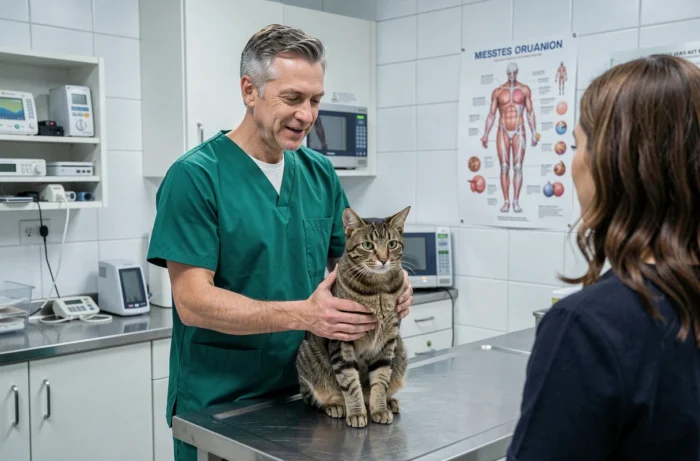
Cat sterilization: the most effective lever against overpopulation
Cats accounted for about 72% of the animals taken in by the studied organizations in 2025, compared to 28% for dogs. This imbalance is largely explained by unwanted litters.
An unspayed female cat can have several litters per year. Without intervention, the multiplication is rapid, and the kittens end up in already full shelters, or worse, wandering without identification.
What sterilization concretely changes
- Direct reduction in the number of abandoned kittens: fewer unplanned litters mean fewer animals taken in by organizations, allowing them to allocate their resources to the animals already present
- Decrease in feline wandering, which also poses health problems (diseases transmissible between cats, impact on local wildlife)
- Improvement in the health of the cat itself: sterilization reduces the risks of certain pathologies and limits escapes related to breeding periods
Organizations and the SPA emphasize the need to strengthen the identification of cats, which are still too often not microchipped. Without identification, it is impossible to find an owner or hold holders accountable.
Puppy shows and pet fairs: a model under scrutiny
In September 2026, the 30 Millions d’Amis Foundation called for a ban on puppy shows, described as “temples of commodification” by Le Parisien, which reported on the investigation. These events pose several concrete problems for animal welfare.
Puppies are transported young, exposed to noise, handled by dozens of visitors, and sold in conditions that encourage impulsive buying. The buyer leaves with an animal without having checked compatibility with their lifestyle, which fuels abandonment a few months later.
Why the issue goes beyond simple commerce
The problem is not solely commercial. An impulsive purchase at a show often leads to abandonment within the year. The animal was not chosen based on housing, available time, or health budget. Feedback on this varies among organizations, but the link between sales at shows and subsequent shelter intake is regularly highlighted by associations.
Adopting from a shelter or going through a reputable breeder, with an on-site visit and discussion about the breed’s needs, remains the most protective approach for both the animal and the adopter.

Public data on animal wandering: an underutilized tool
Recently, datasets published on data.gouv.fr allow tracking of impound entries and identifications of dogs, cats, and ferrets at the national level. These data, updated in September-October 2026, pave the way for more detailed monitoring of animal wandering in France.
For local authorities and organizations, these figures are a lever for action. They help identify areas where wandering is most prevalent, measure the effectiveness of sterilization campaigns, and target territories where identification remains insufficient.
What these data reveal in practice
They provide the number of impound entries by department, the volume of identifications by species, and indicators that cross-reference this information. A department with many impound entries but few identifications indicates a prevention deficit.
These tools are public and free. Local organizations can use them to advocate with municipalities for targeted sterilization or awareness campaigns.
Protecting animals on a daily basis: three actions that truly matter
You don’t need to run a shelter to take action. Three simple individual actions have a measurable impact on animal protection.
- Have your pet identified and sterilized: this is fundamental, and it is still too often neglected, especially for cats. Identification is mandatory for dogs and cats in France
- Anticipate life changes: a move, a birth, a separation should not lead to abandonment. Having a plan B (family, friends, boarding) is part of the owner’s responsibility
- Report situations of abuse or neglect: departmental veterinary services and organizations have means of intervention, but they depend on reports
Animal protection does not solely rely on organizations. Every owner is the first link in the chain. Identification, sterilization, and preparation for life’s uncertainties directly reduce the pressure on shelters that can no longer absorb current flows.