Current beauty trends are no longer limited to a new lipstick or a seasonal palette. The convergence of skincare, overall health, and regulatory frameworks is redefining what it means to care for your skin on a daily basis. Since January 1, 2026, France has banned the manufacture, import, and marketing of cosmetics containing PFAS, which is significantly changing the composition of many products available on shelves.
Understanding these changes allows for more informed choices, whether for a facial treatment, makeup, or a hair care routine.
Ban on PFAS and microplastics: what is changing in your beauty products
PFAS (per- and polyfluoroalkyl substances) were used as texture agents, smoothing agents, or long-lasting hold in foundations, mascaras, and certain skincare products. Their persistence in the environment and in the body has led France to ban them in cosmetics since early 2026.
At the same time, European restrictions on microplastics impose gradual deadlines based on product categories. Brands are reformulating their ranges, sometimes altering the texture or hold of the finished product.
In practical terms, this means that some familiar products are changing their formulas without changing their names. A long-wear foundation may now have a slightly different finish, or a waterproof mascara may offer slightly less water resistance. Checking the INCI list (the composition on the back of the packaging) remains the most reliable reflex to spot these changes.
To keep up with these changes and discover alternatives that comply with the new standards, visiting the Babioles Beauté website allows you to stay informed about ongoing reformulations and the new products that result from them.
Facial care and skin longevity: beauty as a health component
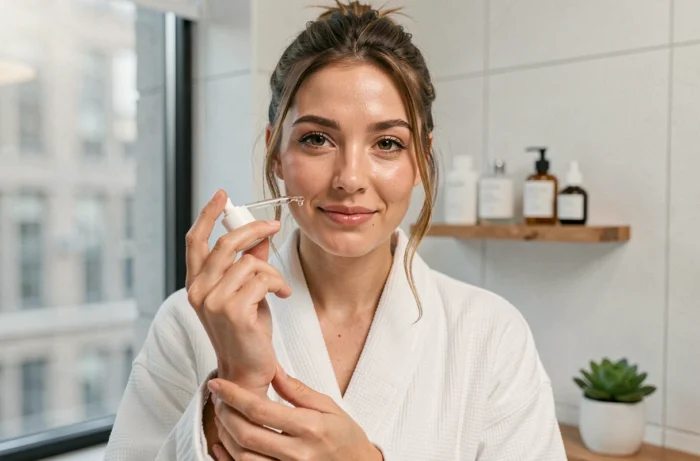
The boundary between cosmetics and health care is blurring. Consumers are seeking products that combine aesthetic benefits, skin comfort, and measurable functional effects. This trend goes beyond simple anti-aging: it incorporates a logic of prevention and skin longevity.
Preventive care is gaining ground. Protecting the skin barrier, maintaining the skin microbiome, using active ingredients whose effectiveness is backed by clinical evidence: these practices, once reserved for dermatology, are entering daily routines.
Clinically backed actives and preventive care
Formulas increasingly rely on actives documented by dermatological studies. Consumers are no longer just looking for a marketing promise, but an explanation of the product’s mechanism of action.
This demand is pushing brands to communicate differently. Mentions like “dermatologically tested” are no longer sufficient; the details of the testing protocol are becoming a selling point.
- Peptide or encapsulated retinol-based treatments aim to stimulate cell renewal gradually, with less irritation than traditional formulas.
- Products incorporating prebiotics or postbiotics target the balance of the skin microbiome, complementing usual cleansers and moisturizers.
- Serums with multi-molecular weight hyaluronic acid act at different depths of the epidermis, improving hydration over time.
Artificial intelligence and beauty recommendations: a new shopping journey
AI is no longer limited to Instagram filters or virtual lipstick try-ons. Assistants and generative engines are now involved in product searches, routine choices, and personalized recommendations.
The classic journey (discovery, comparison, in-store trial, purchase) is tending to be condensed into a single algorithmic interaction. A user describes their skin type, concerns, and budget; the tool suggests a tailored selection in seconds.
What this changes for product selection
This evolution is changing how brands formulate their product sheets and online descriptions. Precise technical terms (skin type, actives, concentration) are becoming more decisive than advertising slogans, as recommendation algorithms rely on this structured data.
For consumers, the risk is twofold. On one hand, personalization can save time and avoid purchasing mistakes. On the other hand, recommendations remain influenced by commercial partnerships between platforms and brands. Cross-referencing algorithmic suggestions with the advice of a dermatologist or pharmacist remains a useful precaution.

Makeup and daily tips: texture, light, and natural wear
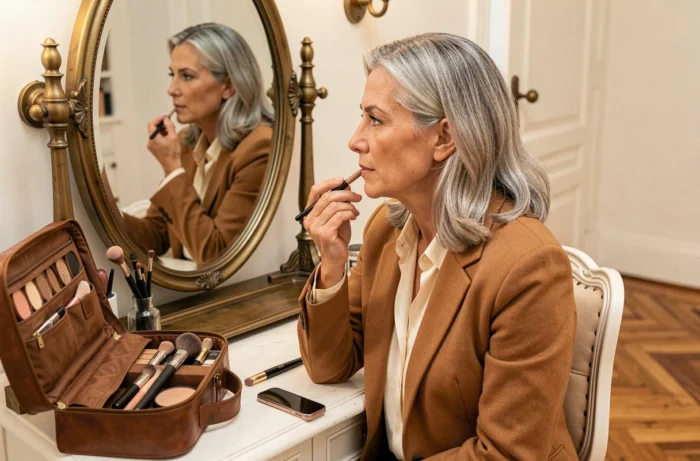
In terms of makeup, current trends favor lightweight and buildable textures. Highly covering foundations are giving way to hybrid formulas that combine moisturizing care and adjustable pigments.
The goal is a “second skin” effect: unifying the complexion without masking the natural texture of the face. Multifunctional products (a stick that serves as blush, eyeshadow, and lip color) meet a demand for practicality and a reduction in the number of products in the kit.
Three gestures that change the result
- Applying foundation or tinted cream on properly hydrated skin (and not on dry skin or excess serum) improves wear and reduces the “caked” effect.
- Setting makeup with a fine mist rather than a compact powder preserves the skin’s natural glow, especially on mature or dehydrated skin.
- Working the mascara from the root of the lashes with zigzag movements avoids clumping and gives a denser result without overload.
Makeup is also evolving due to reformulations related to new regulations. Some waterproof or long-wear textures are changing behavior, which sometimes requires adapting application or removal techniques.
The beauty trends of this period are not limited to seasonal colors. They reflect an underlying movement where product composition, brand transparency, and recommendation tools are permanently changing how to build a routine. Reading the INCI list before looking at the packaging remains the most useful gesture to navigate this transition.