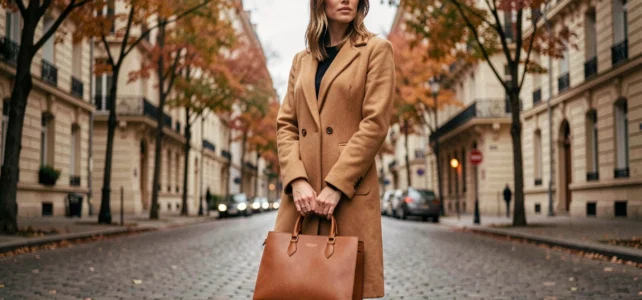
A handbag is primarily defined by its structure, materials, and proportions, before being a decorative accessory. In 2024, handbag trends reflect a measurable shift in the market: the dominant purchasing criteria are design, craftsmanship, and timelessness, while logo visibility ranks last according to a study by the Boston Consulting Group published in July 2026. This shift changes the way one chooses a bag to enhance their style.
Materials and manufacturing: what really changes the durability of a handbag
Leather remains the reference material in leather goods, but the notion of quality has evolved. A full-grain leather bag tanned with vegetable methods ages better than corrected leather covered with a plastic film, even if both carry the label “genuine leather”.
Eco-friendly materials are gaining ground. Organic cotton, plant fibers, and bio-based leathers (made from grape or cactus residues) now occupy a structural share of the handbag market. This progression responds to a real demand: sustainable materials are no longer a marketing argument but a selection criterion for a growing number of buyers.
To assess the quality of a bag, three points deserve systematic verification before purchase:
- The consistency of the stitching and the strength of the threads, which determine the longevity of the handles and closures.
- The type of tanning of the leather or the exact composition of the alternative material, often indicated on an inner label.
- The hardware (clasps, buckles, chains): plated metal chips within months, while solid brass lasts for years.
Online catalogs facilitate this verification. By browsing product sheets on mysac.fr, descriptions generally detail the composition, type of lining, and manufacturing origin, allowing for comparison before heading to the store.

Trendy bag shapes in 2024: focusing on silhouette rather than logo
The decline in logo visibility redistributes attention towards the proportions of the bag. In 2024, the shape of the bag takes precedence over the displayed brand. Three silhouettes stand out clearly from the runways and sales.
The medium structured bag
Neither too large nor miniature, this format corresponds to actual daily use. It can be carried by hand or on the shoulder and adapts equally well to office attire or an outing. Its main advantage: its rigidity maintains the shape of the bag even when it is not fully packed, preserving the overall look of the silhouette.
The mini bag for occasions
Mini bags remain present but their role is becoming clearer. They function as an evening accessory or a complement worn crossbody with a tote. Carrying a mini bag daily requires selecting a maximum of three items, which limits its use to well-defined contexts.
The oversized soft bag
In contrast to the mini, the large soft bag is making a strong comeback. Made from grained leather or thick canvas, it can hold a laptop, a pencil case, and a water bottle without appearing deformed. Its softness creates a natural drape that softens very structured outfits.
Handbag colors for 2024: building a coherent wardrobe
The choice of a bag color is not just about following the “season’s shade.” The most effective logic is to think in terms of compatibility with your existing wardrobe.
Neutral colors (black, taupe, cognac) remain the most versatile. A bag in one of these shades pairs well with the majority of outfits without creating visual conflict. A first quality bag in a neutral color serves as a foundation for the entire wardrobe.
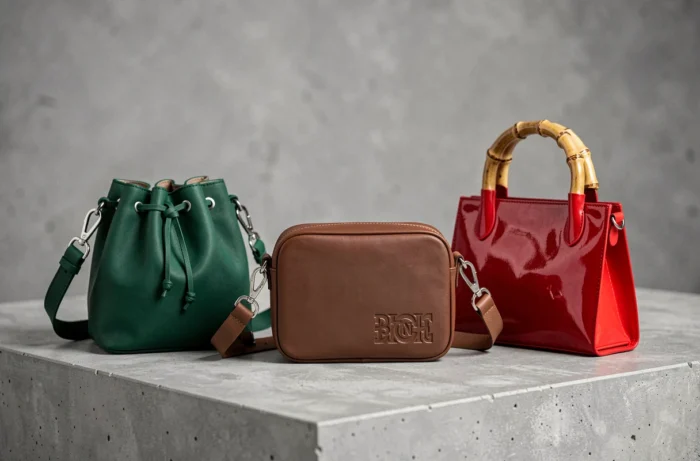
Bright colors, on the other hand, serve as accents. A red, burgundy, or pine green bag can transform a monochrome outfit into a polished look. The practical rule: only one strong-colored piece per outfit is sufficient. If the bag is the colorful piece, the rest should remain understated.
For winter 2024, deep shades dominate the collections. Burgundy and chocolate brown replace the pastel tones of spring. These colors have the advantage of hiding signs of wear longer than a light-colored bag.
Handbag as an investment: resale changes the game
The second-hand leather goods market is changing the way we think about buying a bag. A well-made bag, in a classic shape and a timeless color, retains a significant portion of its value upon resale. Platforms specializing in second-hand luxury have seen their transaction volume grow significantly in recent years.
This economic reality reinforces the appeal of timeless bags compared to ultra-trendy models. A bag purchased for its quality of craftsmanship resells better than a bag bought for its fashion effect. Shapes too marked by a season lose their appeal within months on the secondary market.
Several criteria increase the resale value of a bag:
- An impeccable state of preservation, which requires storage in a dust bag and regular maintenance of the leather.
- The presence of original accessories (removable shoulder strap, padlock, authenticity card).
- A standard color and size, more sought after than very specific limited editions.
The handbag in 2024 moves away from seasonal reflexes to anchor itself in a logic of sustainable wardrobe. Materials, shape, and color take precedence over the logo or the novelty effect. Choosing a bag with these criteria in mind also preserves the possibility of passing it on or reselling it in several years.