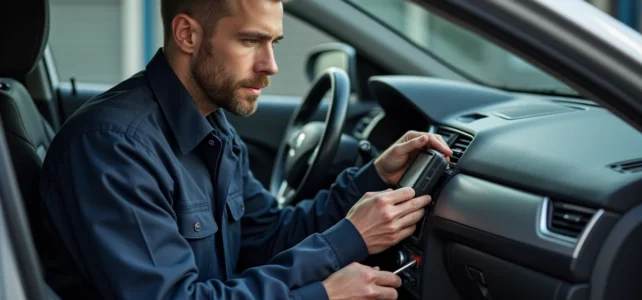
Installing a GPS in your car seems simple on paper: you buy a device, plug it in, and drive. The reality is more nuanced. The cost of the equipment represents only a fraction of the actual budget, and it is often the type of installation, the level of discretion desired, and recurring fees that drive up the bill over time.
Standalone installation or wired setup: the choice that determines the GPS budget
Before looking at prices, you need to settle a technical question. A standalone GPS tracker (magnetic, battery-operated) can be placed in seconds under the chassis or in the glove compartment. No wiring, no workshop visit. The installation cost is therefore zero.
A wired model, connected to the vehicle’s power supply or the OBD port, changes the game. Installation often requires a professional, especially if the goal is to hide the device. This service is charged in addition to the equipment, and field reports vary on this point: some garages include installation in a package, while others charge by the hour.
To better understand the installation cost of a car GPS, you must first identify the type of device suited to your use, as the equipment and labor do not weigh the same depending on the chosen configuration.
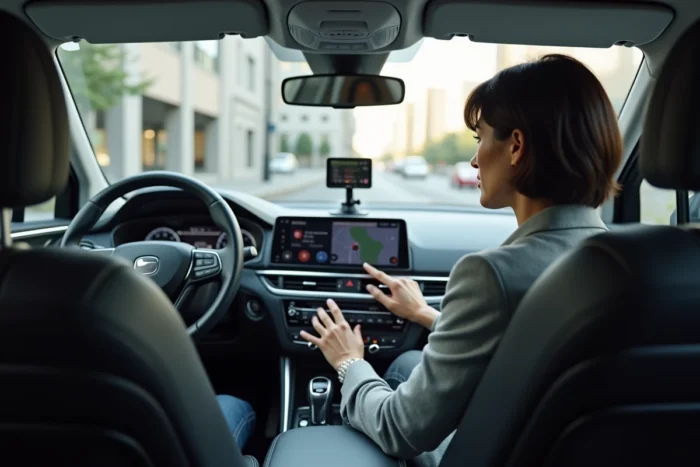
Cost of GPS equipment for cars: device, SIM card, and 4G connectivity
The GPS device itself covers a wide range of prices. The simplest models, intended for basic location, remain affordable. 4G trackers with real-time tracking, motion alerts, and trip history cost significantly more.
Beyond the device, an often underestimated factor comes into play: the SIM card or integrated connectivity. A GPS tracker communicates via the mobile network to transmit its position. This connection has a cost, either included in a monthly subscription or via a prepaid SIM card that needs to be renewed.
- Standalone tracker without subscription: one-time purchase price, but limited features (no live tracking, infrequent position updates).
- 4G tracker with subscription: real-time tracking, notifications, complete history, but recurring monthly fees that accumulate over several years.
- Integrated navigation system (like a GPS car radio): higher upfront budget, professional installation almost mandatory, but no subscription for offline mapping.
The subscription often exceeds the price of the device after two years of use. Several recent analyses confirm that connectivity, application, and live tracking fees constitute the largest expense over time, especially for 4G devices.
Discretion and maintenance: the real trade-off behind the price of a GPS
The financial question masks a more personal choice. A discreet anti-theft GPS tracker, designed to remain invisible, requires careful installation: hidden wiring, studied placement, sometimes a visit to a specialized workshop. This level of stealth comes at a price that online comparisons rarely mention.
In contrast, a navigation GPS visible on the dashboard (car radio or suction mount) poses no discretion issues but offers no anti-theft function. The budget depends on the level of discretion and maintenance you are willing to pay for.
Maintenance and updates: expenses to anticipate
An embedded navigation system requires regular map updates. Without them, new roads, roundabouts, or speed limits do not appear. Some manufacturers charge for these updates, while others include them for a limited time.
For a connected GPS tracker, maintenance boils down to renewing the subscription and, for standalone models, recharging the battery. A long-lasting battery tracker reduces the frequency of handling, but its purchase price is higher than a model requiring frequent recharging.
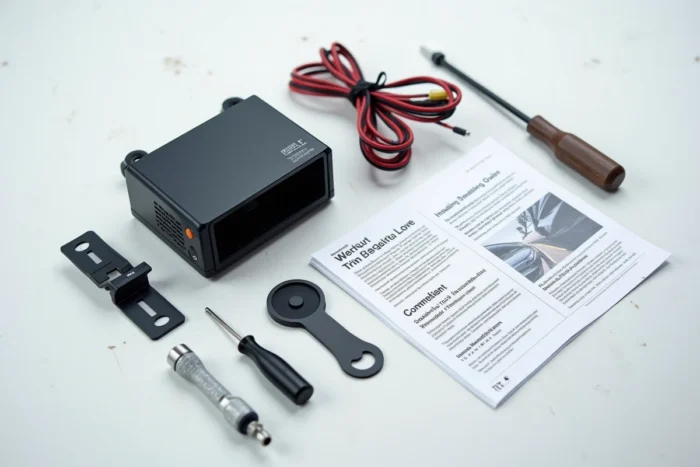
GPS for individuals or fleets: different pricing logics
The pages aimed at individuals and those targeting fleet managers do not discuss the same product. For a personal vehicle, the budget generally limits itself to the device and possibly a monthly subscription. The calculation remains simple.
For companies equipping multiple vehicles, pricing becomes volume-based. Professional offers provide lower unit prices as the number of vehicles increases. Cost differences between providers remain significant depending on the included features.
With or without subscription: two economic models
The no-subscription model relies on a one-time purchase of the device, sometimes supplemented by a prepaid SIM card. The initial cost is higher, but there are no recurring fees. This model suits users who want occasional tracking or simple anti-theft security.
The subscription model smooths out expenses over time with a lower initial investment. However, over three years, the total of the monthly payments far exceeds the purchase price of a device without a subscription. Comparing costs over three years rather than just the purchase price helps avoid unpleasant surprises.
- Purchase without subscription: controlled budget over time, sometimes reduced features, autonomy to manage yourself.
- Monthly subscription: access to a complete platform (history, alerts, geofencing), but cumulative costs that can represent several times the price of the equipment.
- Hybrid solution: some manufacturers offer a purchase of the device with a free tracking platform, limited in advanced features.
The real cost of a car GPS cannot be read on a price tag. It is calculated by adding the equipment, possible installation, monthly connectivity, and updates over the entire duration of use.
A tracker costing 30 euros can end up being more expensive than a 100-euro model if its monthly subscription runs for three years. Asking about the total budget before choosing a type of GPS remains the only reliable approach to avoid paying twice.